
The Hidden Environmental Cost of Everyday Household Products (And How to Reduce It)
Most people don't think twice about the products they use every day. From paper towels and tissues to cleaning sprays and disposable wipes, household essentials are designed for convenience. But behind many of these everyday items lies a hidden environmental cost that often goes unnoticed.
The materials used, the manufacturing processes involved, the packaging they come in, and how they are disposed of all contribute to a product's environmental footprint. As awareness of sustainability grows, more consumers are looking for ways to reduce their impact without sacrificing comfort or convenience.
The good news is that small changes in purchasing habits can make a significant difference over time.
Understanding a Product's Environmental Footprint
Every household product goes through a lifecycle that includes:
-
Raw material extraction
-
Manufacturing
-
Packaging
-
Transportation
-
Consumer use
-
Disposal
Each stage requires resources and generates environmental impacts, including energy consumption, water usage, emissions, and waste.
The challenge is that many conventional household products rely on resource-intensive materials and processes that place additional pressure on the environment.
The Impact of Traditional Paper Products
Paper products are among the most commonly used household items. While they may seem harmless, their production often requires substantial amounts of raw materials and energy.
Traditional paper manufacturing can contribute to:
-
Forest resource depletion
-
High water consumption
-
Energy-intensive processing
-
Transportation emissions
-
Packaging waste
Although recycling programs help reduce some impacts, demand for virgin wood pulp remains significant worldwide.
A More Sustainable Alternative
Bamboo-based paper products offer an environmentally conscious option because bamboo grows rapidly and regenerates naturally after harvesting.
Benefits of bamboo paper products include:
-
Renewable resource utilization
-
Reduced pressure on forests
-
High-quality performance
-
Biodegradable product options
Making the switch to bamboo paper products is one of the simplest ways to support more sustainable consumption.
The Environmental Cost of Conventional Cleaning Products
Many traditional cleaning products contain synthetic ingredients derived from non-renewable resources. In addition to manufacturing impacts, some chemical ingredients can persist in the environment after use.
Potential concerns include:
-
Water pollution
-
Excessive packaging waste
-
Dependence on petroleum-derived ingredients
-
Indoor air quality issues
-
Non-biodegradable components
As consumers become more ingredient-conscious, demand for greener alternatives continues to increase.
Plant-Powered Homecare Solutions
Cleaning products made with coconut-derived ingredients provide an effective alternative to many conventional formulas.
Plant-based cleaning products help support sustainability by:
-
Utilizing renewable resources
-
Incorporating biodegradable ingredients
-
Reducing reliance on petroleum-based chemicals
-
Supporting environmentally responsible product development
These products demonstrate that effective cleaning and sustainability can go hand in hand.
Packaging Waste: An Overlooked Problem
Product packaging is often discarded within minutes of purchase, yet its environmental impact can last much longer.
Common packaging challenges include:
-
Single-use plastics
-
Excessive material usage
-
Low recycling rates
-
Landfill accumulation
Choosing products packaged in recycled or recyclable materials helps reduce waste and supports a more circular economy.
Consumers can also look for brands that minimize unnecessary packaging altogether.
The Power of Ethical Sourcing
Environmental responsibility begins long before products reach store shelves.
Ethical sourcing helps ensure that raw materials are obtained responsibly while supporting:
-
Sustainable resource management
-
Environmental protection
-
Fair labor practices
-
Supply chain transparency
Products created through ethical sourcing practices often have a lower overall environmental impact and contribute to more responsible consumption patterns.
Why Small Household Choices Matter
It's easy to assume that individual actions don't make a difference. However, collective consumer choices have a powerful influence on industries and markets.
When more households choose:
-
Bamboo paper products
-
Plant-based cleaners
-
Recycled packaging
-
Ethically sourced goods
Businesses are encouraged to invest in more sustainable practices and product innovation.
Consumer demand helps drive positive change throughout supply chains.
Simple Ways to Reduce Your Household's Environmental Impact
Creating a more sustainable home doesn't require dramatic lifestyle changes.
Start with these practical steps:
Switch to Renewable Materials
Choose products made from renewable resources such as bamboo instead of materials that require long-term resource extraction.
Select Plant-Based Homecare Products
Opt for coconut-powered cleaning solutions that use renewable ingredients and support environmentally conscious manufacturing.
Prioritize Recycled Packaging
Support brands that use recycled and recyclable packaging materials.
Reduce Disposable Consumption
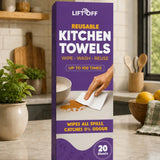
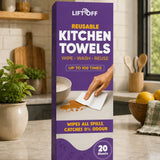
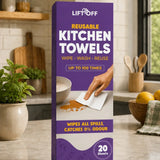
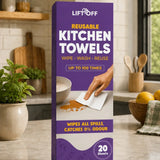
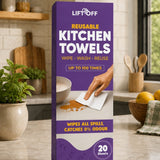
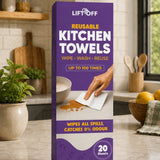
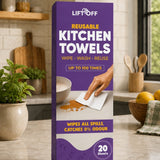
Whenever possible, replace single-use products with reusable alternatives.
Buy from Responsible Brands
Look for companies committed to sustainability, transparency, and ethical sourcing.
Sustainability Starts with Everyday Decisions
The products we purchase each day may seem small, but their collective environmental impact is substantial.
Every choice—from the paper products in our bathrooms to the cleaning solutions under our sinks—contributes to broader environmental outcomes.
Fortunately, sustainable alternatives are becoming more accessible than ever.
Consumers now have opportunities to make environmentally conscious choices without compromising quality, convenience, or performance.
Final Thoughts
The hidden environmental costs of household products often go unnoticed, but understanding these impacts empowers consumers to make better decisions.
By choosing bamboo-based paper products, plant-powered homecare solutions, recycled packaging, and ethically sourced goods, households can significantly reduce their environmental footprint.
Sustainability isn't about perfection. It's about making thoughtful choices that add up over time. Small changes in everyday products can help create cleaner homes, healthier communities, and a more sustainable future for everyone.