
10 Easy Ways to Create a More Sustainable Home with Bamboo and Plant-Based Products
Sustainability is no longer just a trend—it's becoming a way of life. As more people recognize the importance of reducing waste and making environmentally conscious choices, creating a sustainable home has become a priority for many households.
The good news is that living more sustainably doesn't require a complete lifestyle overhaul. Small changes in everyday habits and product choices can make a meaningful difference. By incorporating bamboo-based paper products and plant-powered homecare solutions into your routine, you can reduce your environmental footprint while maintaining a clean, comfortable home.
Here are ten simple ways to create a more sustainable home.
1. Switch to Bamboo Paper Products
Traditional paper products often contribute to deforestation and resource depletion. Bamboo-based alternatives offer a renewable solution because bamboo grows quickly and regenerates naturally.
Consider replacing conventional products with:
-
Bamboo toilet paper
-
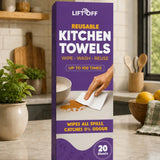
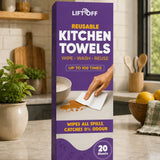
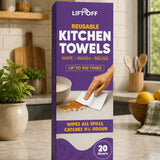
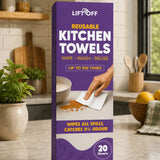
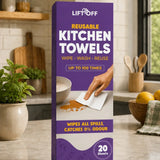
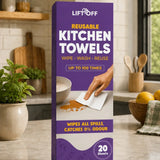
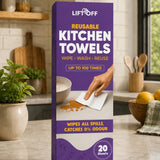
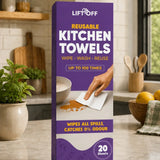
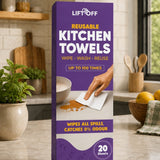
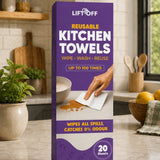
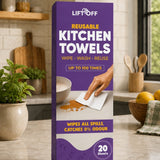
Bamboo kitchen towels
-
Bamboo tissues
-
Bamboo napkins
These simple swaps help support more sustainable resource use without sacrificing quality.
2. Choose Plant-Based Cleaning Products
Many household cleaners contain harsh chemicals that can impact both indoor air quality and the environment. Plant-powered cleaning formulas made from coconut-derived ingredients provide an effective alternative.
Natural homecare products can help you:
-
Reduce chemical exposure
-
Minimize environmental pollution
-
Maintain a healthier living environment
Look for formulas that prioritize biodegradable ingredients and responsible sourcing.
3. Reduce Single-Use Plastics
Plastic waste remains one of the world's biggest environmental challenges. Start by identifying disposable plastic items in your daily routine and replacing them with reusable alternatives.
Examples include:
-
Reusable shopping bags
-
Refillable cleaning bottles
-
Glass storage containers
-
Bamboo-based household products
Even small reductions in plastic consumption can have a long-term positive impact.
4. Support Products with Recycled Packaging
Packaging waste contributes significantly to landfill accumulation. Choosing products packaged in recycled or recyclable materials helps reduce waste and supports the circular economy.
When shopping, consider brands that prioritize:
-
Recycled packaging
-
Minimal packaging design
-
Plastic-free shipping materials
These efforts help reduce the overall environmental impact of consumer goods.
5. Buy from Ethically Sourced Brands
Sustainability goes beyond the products themselves. Ethical sourcing ensures that materials are obtained responsibly while supporting fair labor practices and environmental stewardship.
Look for companies that value:
-
Responsible resource management
-
Transparent supply chains
-
Sustainable manufacturing processes
Supporting ethical businesses encourages positive industry change.
6. Use Multi-Purpose Cleaning Products
Instead of purchasing numerous specialized cleaners, opt for versatile plant-based formulas that can handle multiple surfaces throughout the home.
Benefits include:
-
Less packaging waste
-
Reduced product consumption
-
Simplified cleaning routines
A single high-quality cleaner can often replace several conventional products.
7. Be Mindful of Household Waste
Creating a sustainable home starts with awareness. Evaluate what you're throwing away and identify opportunities to reduce waste.
Simple habits include:
-
Recycling properly
-
Composting organic materials
-
Reusing containers
-
Choosing products with minimal packaging
These small actions can significantly decrease household waste over time.
8. Prioritize Renewable Resources
Renewable materials replenish naturally and place less strain on the environment compared to finite resources.
Bamboo is an excellent example because it:
-
Grows rapidly
-
Requires fewer resources
-
Regenerates without replanting
Choosing products made from renewable materials supports long-term environmental sustainability.
9. Create a Healthier Indoor Environment
Many conventional household products contain synthetic fragrances and harsh chemicals that can affect indoor air quality.
Plant-based homecare solutions often offer a gentler alternative while still delivering effective cleaning performance. A cleaner, less chemically intensive environment can contribute to greater comfort within the home.
10. Focus on Progress, Not Perfection
One of the biggest misconceptions about sustainable living is that it requires perfection. In reality, sustainability is about making better choices whenever possible.
Start with a few manageable changes:
-
Switch to bamboo paper products
-
Use coconut-based cleaners
-
Reduce disposable plastics
-
Support environmentally responsible brands
Over time, these small adjustments can lead to meaningful environmental benefits.
Why Sustainable Homes Matter
Every purchasing decision sends a message. By choosing eco-friendly household products, consumers help encourage more responsible manufacturing, reduce resource consumption, and support a healthier planet.
When millions of households make small sustainable choices, the collective impact can be significant.
Final Thoughts
Building a sustainable home doesn't have to be complicated. Simple changes such as switching to bamboo paper products, choosing plant-powered cleaning solutions, and supporting ethical brands can help reduce environmental impact without disrupting everyday life.
The journey toward sustainability starts with the choices we make each day. By embracing renewable materials, recycled packaging, and environmentally conscious products, households can create cleaner homes while contributing to a more sustainable future.